Hyperadrenergic POTS Distinct Features
A rare POTS subtype caused by broken norepinephrine clearance.
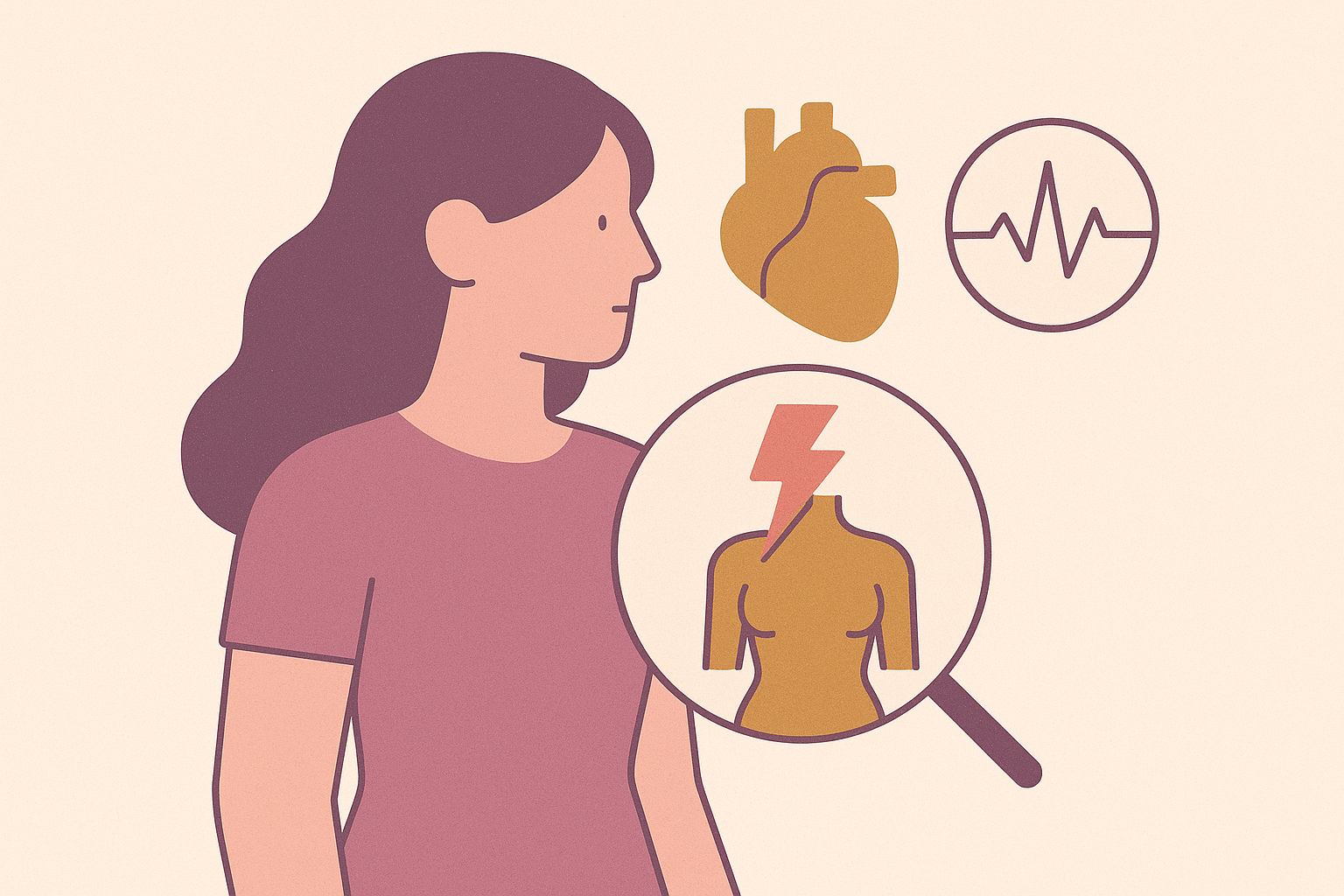
Every time a sympathetic neuron fires, it releases norepinephrine into the synapse. A protein called the norepinephrine transporter, NET, sits on the presynaptic membrane and clears that norepinephrine back out once the signal's done its job. Think of it as a drain: when it works, the tub empties, and when it doesn't, the tub overflows.
SNRIs and tricyclic antidepressants are dangerous in hyperadrenergic POTS because both drug classes work by inhibiting the norepinephrine transporter, NET, and that transporter is already malfunctioning in these patients. NET normally clears norepinephrine out of the synapse after a sympathetic neuron fires; in hyperadrenergic POTS, that clearance mechanism is already impaired, producing abnormally elevated norepinephrine levels and a structurally elevated fight-or-flight state. Prescribing an SNRI or tricyclic into that context jams a drain that's already stuck shut, pushing circulating norepinephrine higher rather than addressing the underlying excess. The prescribing mistake recurs because most clinicians never identify the subtype before writing the prescription, reaching instead for the drug class that fits an anxiety misdiagnosis, which is exactly the class that does the most damage once it's prescribed.
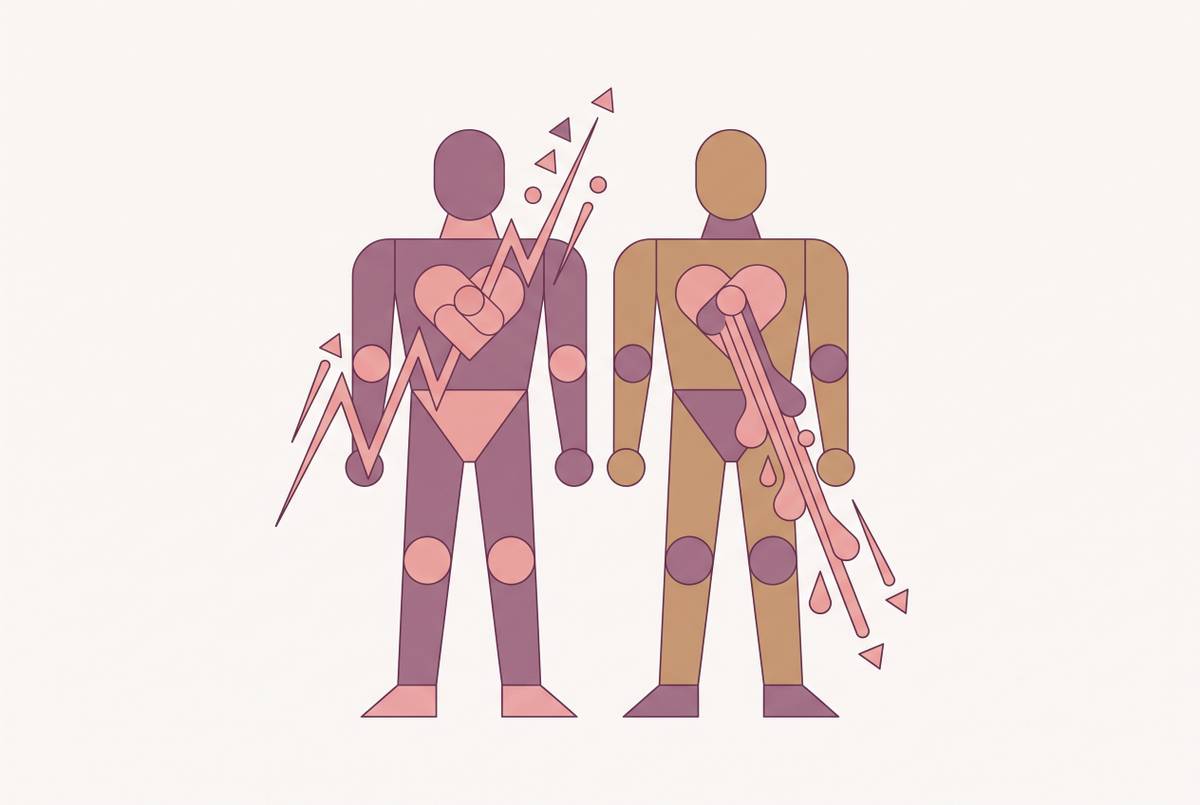
In some patients, the drain is broken. Researcher Shannon and colleagues identified a single-point mutation that produces a poorly functioning NET protein. Patients carrying it end up with norepinephrine backing up and spilling into the bloodstream at abnormal levels, so the body runs a fight-or-flight signal that's structurally elevated, independent of any actual threat in the room.
Here's a detail that gets missed constantly: NET dysfunction doesn't need a mutation to cause damage. Tricyclic antidepressants and SNRIs work by inhibiting NET on purpose; that's the mechanism the drug is built around. Prescribe either one to a hyperadrenergic POTS patient, and the drug jams a drain that's already stuck shut. This is the single most common prescribing mistake tied to this subtype, and it keeps happening because most clinicians never test for the subtype before writing the prescription. That's an error worth fixing early, given how often it recurs.
Two rarer conditions produce a nearly identical picture: baroreflex failure and pheochromocytoma, an adrenal tumor that dumps excess catecholamines into circulation. Ruling out pheochromocytoma comes first in any workup, no exceptions, since the overlap is close enough to cause real confusion, and missing a tumor carries different stakes than missing a POTS subtype.
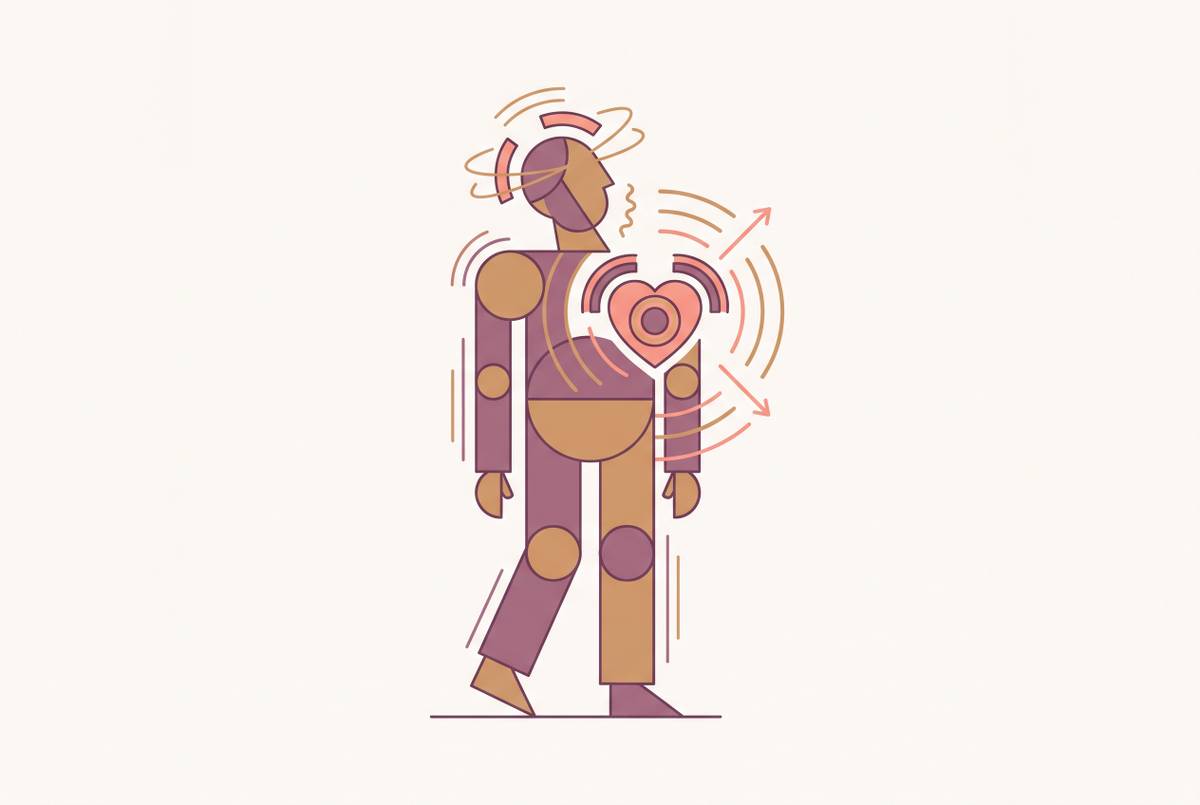
The excess norepinephrine here forms the baseline the body already runs on, separate from anything standing itself triggers. Symptoms feel like a constant, low-grade siege rather than an event tied to posture.
The clinical features that set hyperadrenergic POTS apart from other subtypes
Blood pressure is the clearest tell, and it's the first thing to check, full stop. In neuropathic or hypovolemic POTS, blood pressure falls or holds flat on standing. In hyperadrenergic POTS, it rises, often more than 10 mmHg systolic, and patients describe feeling worse the longer they stay upright, without ever fainting, a complaint that often gets waved off as anxiety when it shouldn't be.
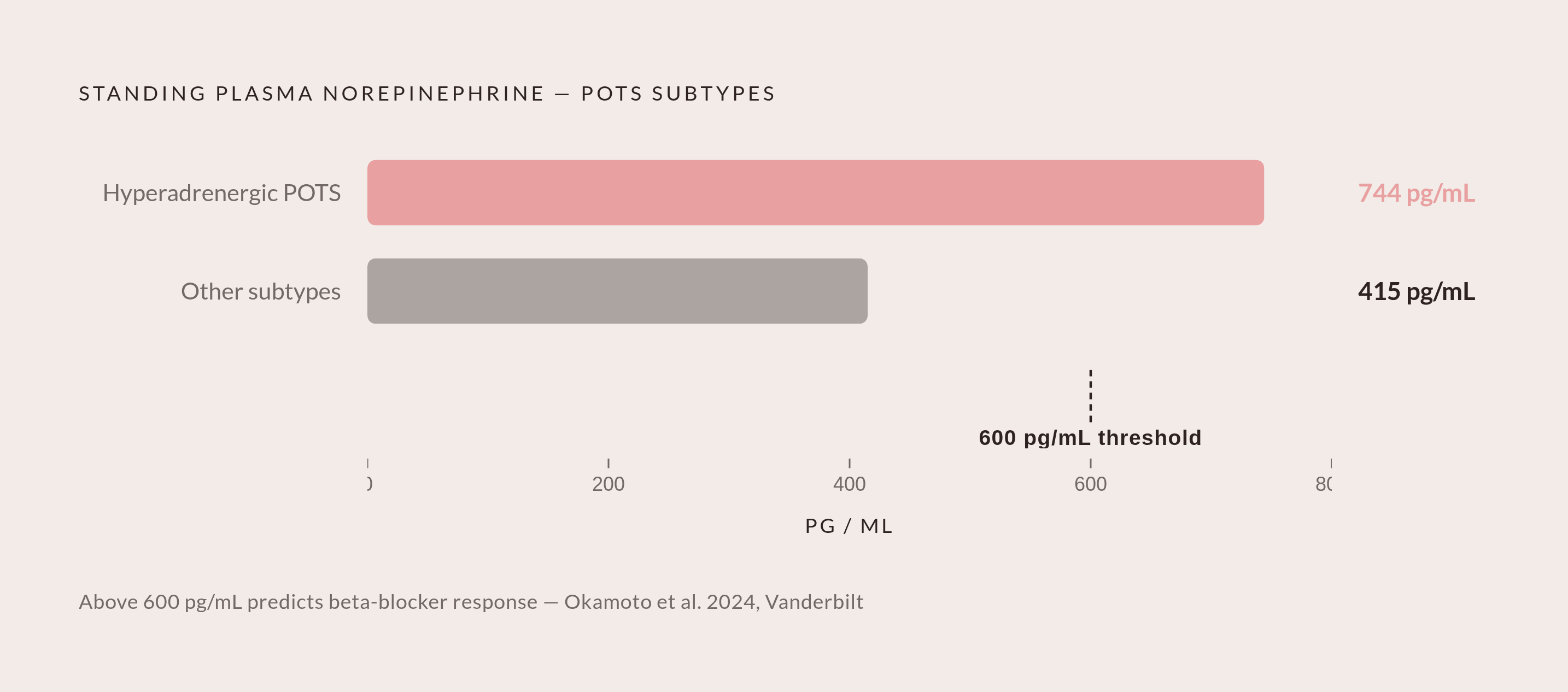
Standing plasma norepinephrine hits 600 pg/mL or higher in hyperadrenergic POTS, against roughly 415 pg/mL in other subtypes. A 2024 Vanderbilt study (Okamoto et al.) found a mean of 744 pg/mL in hyperadrenergic patients specifically. That gap marks a distinct physiological event, and treating the two as points on one spectrum is where much of the confusion starts.
Day to day, that translates into palpitations, a visible tremor, and episodes that feel indistinguishable from a panic attack, minus the panic itself. Patients describe a permanent sensation of being braced for something bad while nothing is happening. Worth stating plainly, since it gets flipped around on patients constantly: excess norepinephrine manufactures a state that resembles anxiety, with the physical symptoms arriving first.
Symptoms swing hard with heat, stress, dehydration, and meal timing, which at least gives patients something concrete to track. Mast cell activation syndrome, or MCAS, rides alongside hyperadrenergic POTS more than any other comorbidity, and in some patients it brings severe flushing with elevated methylhistamine in the urine during a flare.
Pure subtypes are the exception, not the rule. Plenty of patients carry hyperadrenergic, neuropathic, and hypovolemic features all at once, which is part of why diagnosis gets messy. The toll, meanwhile, is measurable and severe: on the RAND-36 quality of life scale, POTS patients score in the range of people living with COPD or congestive heart failure. This condition upends daily life and deserves clinical weight commensurate with that toll.
How hyperadrenergic POTS is diagnosed, and what the 2024 Vanderbilt research added
A baseline POTS diagnosis needs three things: a heart rate increase of 30 bpm or more (or a rate exceeding 120 bpm) within 10 minutes of standing, no orthostatic hypotension, and symptoms lasting at least three to six months. Hyperadrenergic POTS layers two more markers on top of that baseline: standing plasma norepinephrine at or above 600 pg/mL, and a systolic blood pressure rise greater than 10 mmHg on standing.
Two tests get you there. A tilt table test tracks heart rate and blood pressure as a patient moves from lying flat to upright. For hyperadrenergic POTS, the blood pressure rise deserves just as much attention as the heart rate spike; clinicians who only watch the heart rate number miss half the picture, and that gap shows up repeatedly in practice. A catecholamine blood test measures norepinephrine supine and then standing, and the standing elevation is the number that matters.
The 2024 Vanderbilt research (Okamoto et al., published in Hypertension) added a screening option that skips the tilt table entirely. A diastolic blood pressure increase greater than 17 mmHg during the late phase 2 of the Valsalva maneuver identified patients in the highest quartile of resting sympathetic nerve activity, with 71% sensitivity and 85% specificity. A general cardiology office, or even a well-equipped primary care practice, can run that test, which lowers the bar for getting patients screened.
The 600 pg/mL threshold does more than confirm a diagnosis; it also flags which patients are likelier to respond to beta-blockers, so the same number earns its place twice in the workup.
Here's the point that should anchor every clinical encounter: the symptom picture resembles a panic attack on the surface, but the mechanism underneath diverges sharply. Patients with POTS typically don't report the sensation of doom that defines panic disorder, and studies show no elevated rates of anxiety or panic disorder in POTS patients compared to the general population. The resemblance is physiological rather than psychiatric, and mistaking one for the other is the single most common error this condition gets filed under, avoidable with two tests that take fifteen minutes.
Why does misdiagnosing hyperadrenergic POTS as anxiety lead to dangerous prescribing?
Tremor, palpitations, a fight-or-flight sensation with no trigger in sight: from the outside, that's indistinguishable from panic disorder, unless someone actually checks blood pressure on standing or draws a catecholamine level. Skip those two tests, and nothing on the surface separates the two conditions, and that's the default path most hyperadrenergic patients travel before anyone gets it right.
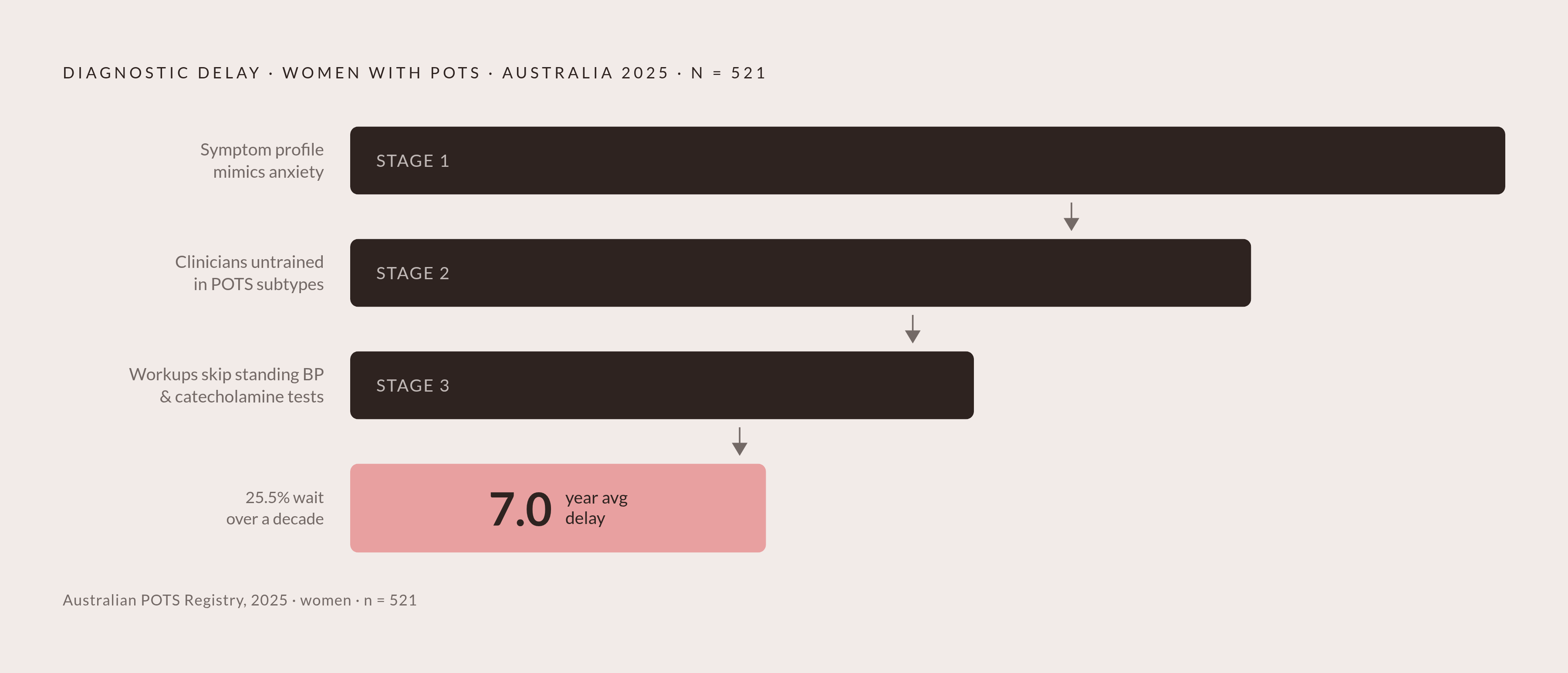
An Australian patient registry from 2025, covering 521 patients, documented widespread misattribution of physical symptoms to anxiety before diagnosis. Average diagnostic delay ran 7.0 years for women, and 25.5% waited more than a decade. Patients in that registry typically saw multiple clinicians before landing on an answer.
Three failures stack on top of each other to produce that delay: a symptom profile that mimics anxiety almost perfectly, clinicians who aren't trained to distinguish POTS subtypes from one another, and standard workups that skip standing blood pressure and catecholamine testing entirely. Fixing any one of the three shrinks the delay, though most clinics fix none of them, and that gap accounts for much of what this data shows.
Here's where it turns dangerous rather than just slow. Misdiagnosing hyperadrenergic POTS as anxiety routinely leads to an SNRI prescription, and SNRIs inhibit NET, the exact transporter that's already malfunctioning in these patients. The wrong diagnosis costs more than time waiting for the right one; it actively pushes the disease further in the wrong direction. In the Australian registry, 22.0% of patients were unemployed and 26.0% reported social outings less than once a month. Those numbers reflect years of misdiagnosis, and in some cases active mistreatment, stacked on top of the illness itself.
What treatment looks like when the subtype is correctly identified
POTS as a whole has no Class I evidence-based treatment guideline, but hyperadrenergic POTS is the exception. For these features specifically, there's targeted guidance, and it centers on clonidine or alpha-methyldopa, a departure from the SNRIs a lot of these patients walk in already taking.
Both are central sympatholytics, and the logic is mechanical: they cut sympathetic tone at the source, in the brain, addressing the overactivity itself instead of chasing symptoms downstream. Clonidine stimulates inhibitory alpha-2 receptors in the medulla oblongata, cutting sympathetic outflow, heart rate, and renin release; taken at bedtime, it often improves sleep as a bonus. Guanfacine works through a similar pathway with less sedation and a lower withdrawal risk than clonidine. Methyldopa, sold as Aldomet, also acts centrally and does particularly well stabilizing heart rate and blood pressure together.
Beta-blockers earn a specific role too, especially when standing heart rate clears 120 bpm alongside elevated norepinephrine. Low-dose propranolol blunts the pounding tachycardia without pulling blood pressure lower, which matters given that these patients already run toward paradoxical hypertension on standing.
Just as important is what to avoid. Venodilators, diuretics, and SNRIs can all make a hyperadrenergic state worse, and the SNRI point is worth repeating: it's exactly the drug class clinicians reach for when they mistake this condition for anxiety in the first place, and exactly the drug class that does the most damage once it's prescribed. Anyone weighing an SNRI for this population should stop and reconsider the dose entirely.
Supporting all of this are the fundamentals that help across every POTS subtype: more salt and fluid, graded exercise, compression garments. Worth flagging separately: when MCAS rides alongside hyperadrenergic POTS, treating it eases the hyperadrenergic symptoms too, since the two conditions feed each other.
There's real reason for hope here. Prognosis tends to run favorable, and many patients see meaningful improvement over time. That doesn't minimize how severe this feels in the moment, but it does mean the diagnosis works better as a starting point than as a permanent verdict. None of the treatment above, the beta-blocker choice, the drugs to avoid, the MCAS connection, works until the subtype gets identified correctly, and getting the label right is the thing that makes everything else on this list possible.
How patients can document and communicate hyperadrenergic POTS features to their care team
The features that define hyperadrenergic POTS, the blood pressure rise, the tremor episodes, the flushing, the norepinephrine-driven symptom clusters, are exactly the details that vanish when a complaint gets compressed down to "my heart races when I stand up." That sentence alone won't move a clinician toward the tests that matter.
Tracking a few specific things before an appointment changes that math:
- Blood pressure supine versus standing, with timestamps attached. This single data point separates hyperadrenergic POTS from every other subtype, and from anxiety, more than anything else on this list.
- Tremor episodes: when they hit, what triggered them (heat, meals, stress, exertion), how long they lasted.
- Flushing episodes, logged alongside whatever symptoms rode in with them.
- Prior medication history, especially any past SNRI or tricyclic antidepressant use.
- Heart rate on standing, tracked across time rather than captured in one reading.
How the conversation gets framed matters almost as much as the data itself. Leading with "my blood pressure rises when I stand" or "I've logged tremor episodes with specific triggers" lands differently than leading with "I feel anxious," even when both sentences describe the same event. Ask directly for a standing catecholamine test and a standing blood pressure measurement, and ask about tilt table testing if it's available. Bring up the Valsalva maneuver diastolic response from the 2024 Vanderbilt research too; it's worth raising as a simpler option if a tilt table isn't on hand.
One entry in a symptom log won't move the needle, since hyperadrenergic POTS fluctuates with triggers, and a pattern tracked across several weeks is what shifts a clinician's thinking toward running the test. Showing up prepared lets a 15-minute appointment reflect a condition that's actually been unfolding for months, not just the time spent in the room.
Beyond the clinical piece, one thing is worth naming outright: this subtype is real and common, backed by mechanism and data. Recognizing that, and finding others who've lived through the same years-long diagnostic runaround, cuts against the isolation that builds up over a delay stretching past half a decade for most patients who go through it.